
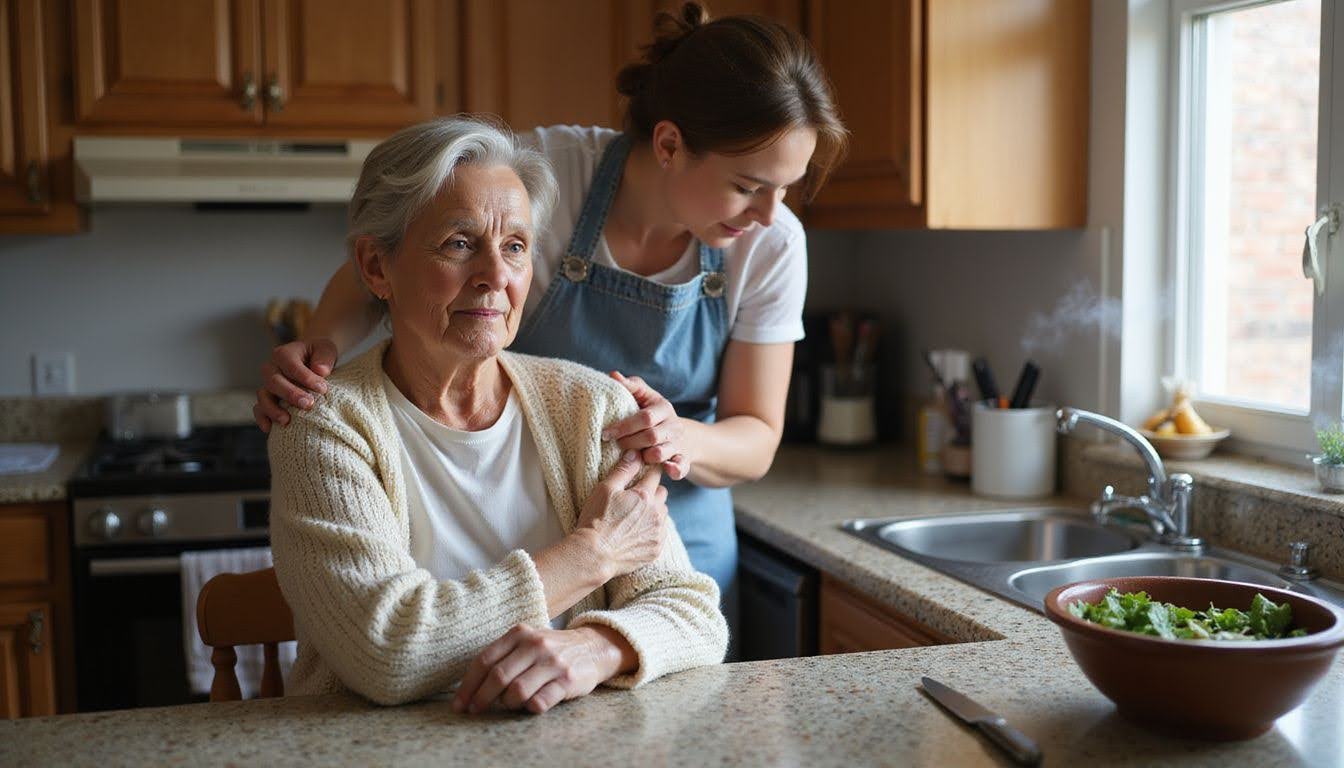
Bathing safely. Getting dressed without a fall. A hot meal that actually gets made instead of skipped again. These are the pieces of daily life that quietly get harder for an aging parent, long before anyone’s talking about nursing homes or hospice care. Personal care assistance for seniors covers exactly this ground: the daily tasks that keep someone safe, clean, fed, and living with dignity in their own home.
Most families start looking into this already exhausted, usually because a fall, a missed medication, or a parent who’s stopped bathing regularly forced the issue. Here’s what personal care assistance actually involves, who provides it, and where a service like Purview Life fits into the picture.
What Personal Care Assistance Actually Covers
At its core, personal care assistance means help with the basic activities of daily living, what professionals usually shorten to ADLs. Bathing. Dressing. Grooming. These sound small until you watch someone struggle through them alone, and they’re also where safety risk concentrates. A slick tub floor or a button that won’t cooperate can turn into a fall, or into a shower that quietly stops happening for days at a time.
Meal preparation and light housekeeping usually get bundled in with this kind of support too. Someone cooking a real meal instead of surviving on crackers and toast. Laundry getting done. Floors staying clear of the clutter that trips people up. None of this is medical care. It’s the everyday maintenance of a safe household, handled by someone else once a senior can no longer manage it solo, or manage it safely.
Who Actually Provides This Care
Personal Care Aides, usually shortened to PCAs, are the professionals who show up and do this work. They’re not nurses, and they don’t need a medical license, because the job itself is nonmedical: hygiene, meals, mobility around the house, and household upkeep. Many families are surprised by how much of the job is also just company. Having someone to talk to during the day matters more than people expect, right up until they see the difference it makes in a parent’s mood.
PCAs typically work through licensed home care agencies rather than as independent hires, and that matters for accountability: background checks, training, and what happens if the aide calls in sick. Requirements and Medicaid coverage options for this kind of care vary by state, so what applies to a family in Oklahoma or Arkansas won’t always match what you read online about another state. It’s worth confirming local rules directly rather than assuming a national standard applies everywhere.
What This Kind of Care Typically Costs
Personal care assistance is usually paid for out of pocket, though the exact picture depends on the family. Long-term care insurance policies sometimes cover a portion of it, and a small number of state Medicaid waiver programs help cover personal care aides for people who qualify financially and medically, though eligibility rules vary widely and shift over time. Nobody should assume coverage without checking directly with their insurer or the state agency handling it.
Purview Life’s own role in this, the assessment, the agency matching, and the ongoing oversight, is a separate, private-pay service. We’re upfront about that from the first conversation, because families deserve to know what they’re paying for and why before they commit to anything.
What a Day of This Support Actually Looks Like
In practice, personal care assistance is rarely an all-day arrangement, at least not at first. Most families start with a PCA coming in for a few hours a few days a week, handling a morning routine, bathing and getting dressed, a hot lunch, maybe an hour of light housekeeping or a walk around the block. As needs grow, so does the schedule, sometimes to daily visits, occasionally to live-in care.
What stays constant is the goal: cover the specific gaps that have opened up in a senior’s routine, without taking over parts of their life they can still manage themselves. Good personal care assistance preserves independence where it exists and fills in only where it’s genuinely needed.
Why This Kind of Support Changes the Trajectory
The honest case for personal care assistance isn’t just comfort. It’s what keeps a senior at home instead of moving into a facility sooner than necessary, and what keeps a family from hitting a breaking point trying to do it all themselves. A parent who’s steady in the shower doesn’t fall. A parent eating real meals doesn’t end up hospitalized for dehydration or malnutrition, both more common outcomes than most families realize until it happens to someone they love.
Families also get back something they didn’t expect to lose in the first place: their relationship. When a daughter becomes her mother’s bather, dresser, and cook, the role of daughter gets crowded out by the role of caregiver. Bringing in a PCA for the daily physical tasks often means family visits go back to being visits, not shifts.
Where Purview Life Fits Into This Picture
We’ll be straightforward about this. Purview Life doesn’t employ caregivers, and we don’t send personal care aides into anyone’s home ourselves. What we do is figure out, together with your family, exactly what kind of daily support your parent actually needs, then connect you with a vetted home care agency equipped to provide it.
From there, our job doesn’t stop. We monitor how that care is actually going, catch it when the hours in place stop matching what your parent needs, and adjust the plan as those needs change, because they will change. As certified Aging Life Care Management professionals, we look at the whole picture: medical needs, legal considerations, family dynamics, and the practical daily-living support that keeps someone safe at home. Personal care assistance is usually one piece of a larger plan, not the whole plan, and our role is making sure every piece of it fits together instead of operating in isolation.
Signs It’s Time to Look Into Personal Care Assistance
Families usually notice the same handful of warning signs before making the call: skipped meals or unexplained weight loss, laundry piling up, a parent wearing the same clothes for days at a stretch, missed medications, or a fall that, in hindsight, could have been prevented. None of these mean it’s time for a nursing home. Most of the time, they mean it’s time for a few hours of help a day, and catching it at this stage is what keeps a manageable situation from turning into a crisis later.
If you’re already stretched thin between your own life and your parent’s needs, that exhaustion is itself a sign worth listening to. You don’t have to be the one giving every bath and cooking every meal for your parent to stay safely at home.
Getting Started the Right Way
Families who handle this well usually start with an honest, specific assessment of what’s actually needed, not a guess based on worry alone. That’s where we come in. We’ll walk through your parent’s daily routine with you, identify where the real gaps are, and connect you with an agency suited to those specific needs, whether that’s a few hours of help a few days a week or something closer to full-time support.
If your parent is starting to struggle with the basics of daily life and you’re not sure where to start, call our Tulsa office at 918-935-2020. We’ll talk through what you’re seeing and help you figure out the right next step, without any pressure to commit to more than what’s actually needed.
Purview Life
6846 S Trenton Ave, Tulsa, OK
918-935-2020
