
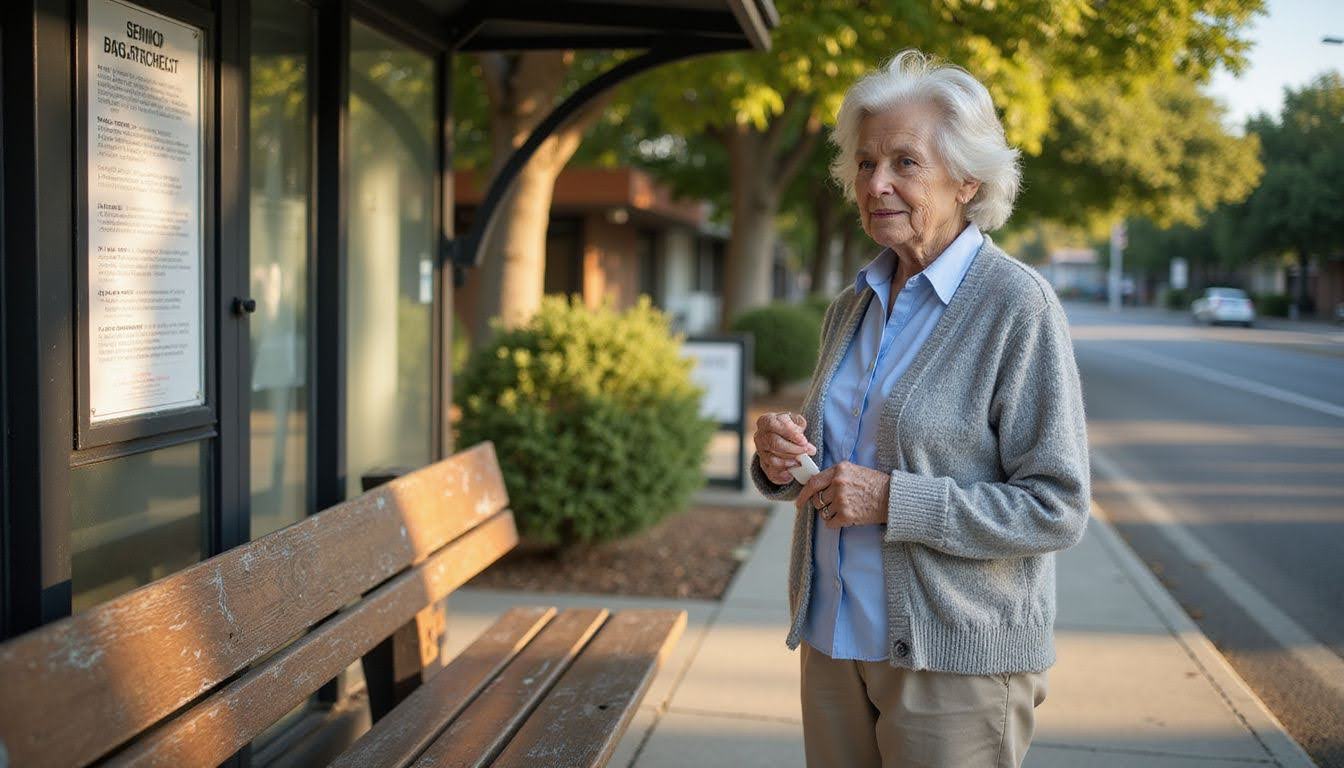
A missed doctor’s appointment rarely seems like a big deal on its own. Then it happens again the next month, and the month after that, and eventually a family realizes their loved one has quietly stopped getting the care they need, not because they don’t want it, but because getting there has become too hard. Reliable senior transportation services solve a problem that looks small from the outside and turns out to be one of the biggest threats to an older adult’s health and independence.
At Purview Life, we see this constantly in our work with Tulsa families. We don’t operate a transportation service ourselves. What we do is figure out exactly what kind of transportation a client actually needs, connect them to a vetted provider who can deliver it, and then keep tabs on whether it’s actually working.
Why Getting Around Becomes a Crisis
Driving is one of the first independence markers people lose as they age, and it’s often one of the hardest to give up. A senior who stops driving, whether by choice or because a doctor or family member intervened, suddenly needs a new plan for everything: groceries, church, the pharmacy, appointments with three different specialists. Families often assume they’ll just handle it themselves, and then discover how quickly that commitment adds up once it becomes a weekly or daily obligation on top of jobs, kids, and everything else already on their plate.
The consequences of not solving this well go beyond inconvenience. Missed medical appointments mean conditions go unmonitored. Skipped social outings accelerate isolation, which is itself a serious health risk for older adults. Getting transportation right isn’t a nice-to-have. It’s part of keeping someone healthy and connected.
Matching the Right Type of Senior Transportation Service to the Need
Not every client needs the same kind of help getting around, and that’s the first thing we assess. Someone who’s steady on their feet and just needs a ride to the grocery store has very different requirements than someone using a walker who needs door-to-door assistance getting in and out of a vehicle, or someone with dementia who shouldn’t be traveling with an unfamiliar driver without some extra planning.
We work with specialized transportation providers in the Tulsa area who offer accessible vehicles, trained drivers, and scheduled medical transport. For clients who need help with errands and social outings rather than medical appointments specifically, there are other options better suited to that kind of flexible, recurring need. Matching the right provider to the right situation the first time saves families from a frustrating trial-and-error process.
What We Actually Do
Our role starts with assessment. We look at mobility level, cognitive status, medical appointment frequency, and the family’s own capacity to help, because sometimes the honest answer is that a family member can and should handle some of the driving, and our job is to fill the gaps rather than replace everyone’s involvement.
From there, we identify providers who fit, make the connection, and help the family get the logistics set up: recurring appointments scheduled, special needs communicated to the driver or agency, payment arrangements sorted out. Then we don’t disappear. We check back in to see whether the arrangement is working, whether the client feels safe and comfortable, and whether anything needs to change as circumstances shift, which they inevitably do as health status changes over time.
Cost and Coverage Questions Families Ask
Transportation costs come up in nearly every conversation we have about this topic, and the honest answer is that coverage varies a lot depending on someone’s specific insurance plan. Some Medicare Advantage plans include nonemergency medical transportation as a benefit, but this isn’t universal, and it typically requires documentation that the transportation is medically necessary. We help families figure out what their specific plan actually covers rather than relying on general assumptions that may not apply to their situation, and we’ll help gather whatever documentation a provider requires to make a claim go through smoothly.
For clients without transportation coverage through insurance, there are often lower-cost options through local senior centers and community organizations, frequently staffed by volunteers, that can help with routine trips. These programs have real value, but they also tend to have limited availability and advance scheduling requirements, so they work best as part of a broader plan rather than a sole solution for someone with frequent medical needs.
Family Caregivers Need a Backup Plan Too
Even families who are willing and able to provide transportation themselves benefit from having a backup plan in place. Life doesn’t pause for a caregiving schedule. A work trip, an illness, or simply a bad week can leave a gap, and scrambling to find a ride at the last minute is stressful for everyone involved, especially the senior who feels like a burden every time it happens. Having a vetted transportation provider already lined up, even one used only occasionally, takes pressure off the whole family and gives everyone a sense that the plan can flex without falling apart.
This is particularly true for families managing care from out of state. A daughter in Dallas can’t drive her father to his cardiology appointment in Tulsa, and relying entirely on a rotating cast of neighbors and friends is not a sustainable system. Establishing a dependable transportation arrangement early, before it’s urgently needed, is one of the more overlooked pieces of planning for long-distance caregivers.
When Transportation Becomes a Safety Issue
Sometimes the transportation conversation surfaces a bigger question: is this person still safe managing their own daily life, or is a lack of reliable transportation actually a symptom of a broader decline in independence? We’re trained to notice that distinction. A client who’s simply frustrated by giving up driving is in a very different situation than one who’s becoming isolated, missing meals because they can’t get to the store, or skipping medications because they can’t reach the pharmacy.
When we see that pattern, we bring it into a broader full assessment of the client’s overall situation, because a transportation gap is often one piece of a larger picture that deserves a coordinated response, not a one-off fix.
Setting This Up for Your Family
If you’re noticing that a parent or loved one has started skipping appointments, avoiding outings, or relying on an unsustainable patchwork of favors from neighbors and family, it’s worth having someone take an honest look at the whole situation before it becomes a crisis. We can help sort out what kind of transportation actually fits the need, connect you to a provider who does it well, and stay involved to make sure it keeps working over time.
Getting this right early also tends to prevent bigger problems down the line. A senior who maintains regular medical care and stays socially engaged, both of which depend heavily on reliable transportation, is statistically less likely to face the kind of acute health crisis that lands someone in the hospital. It’s one of those areas where a modest, proactive investment of time pays off far more than scrambling to react once something has already gone wrong.
Call us at 918-935-2020 and we’ll walk through the situation with you and figure out the right next step together.
Purview Life
6846 S Trenton Ave, Tulsa, OK
918-935-2020
